Articles
20 Liter Jug or Can
Art.-Nr.: 510 465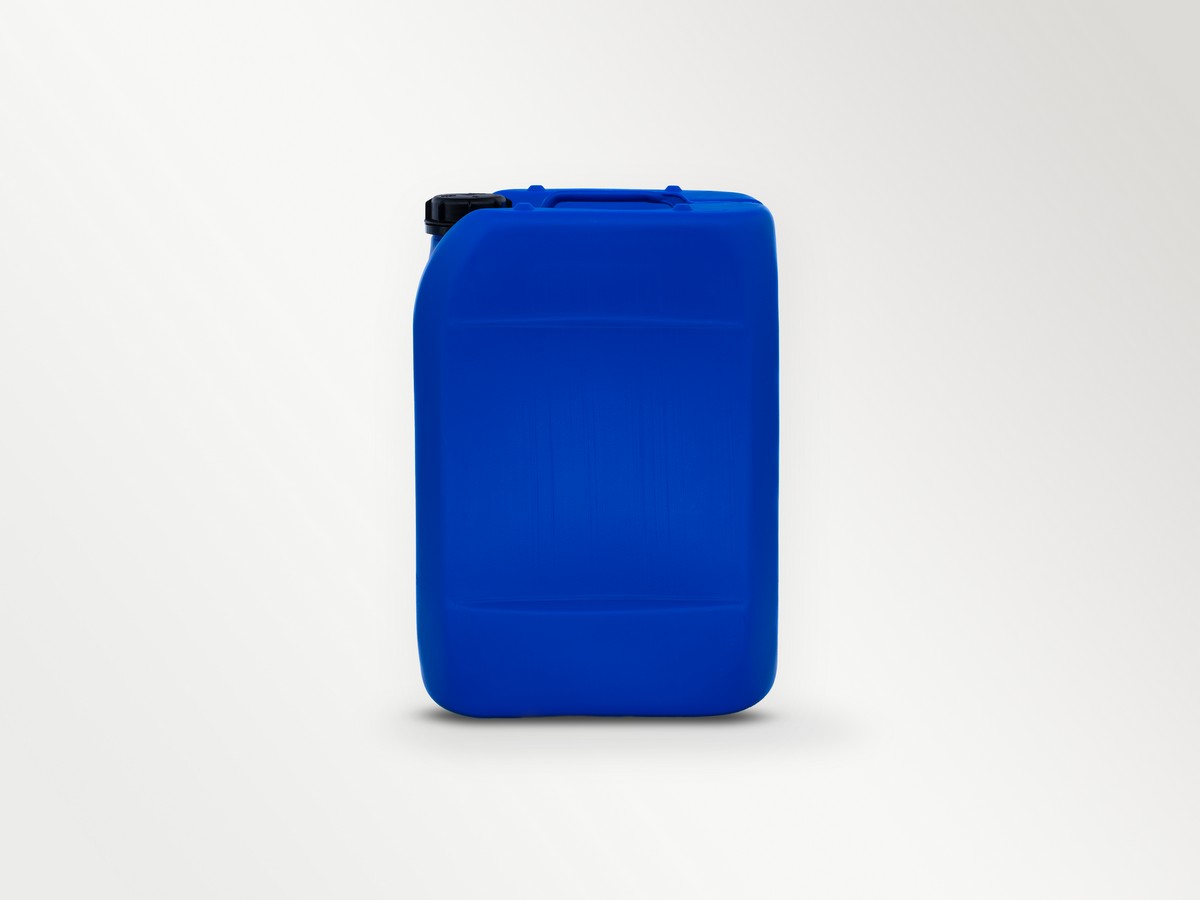
60 Liter Barrel
Art.-Nr.: 510 466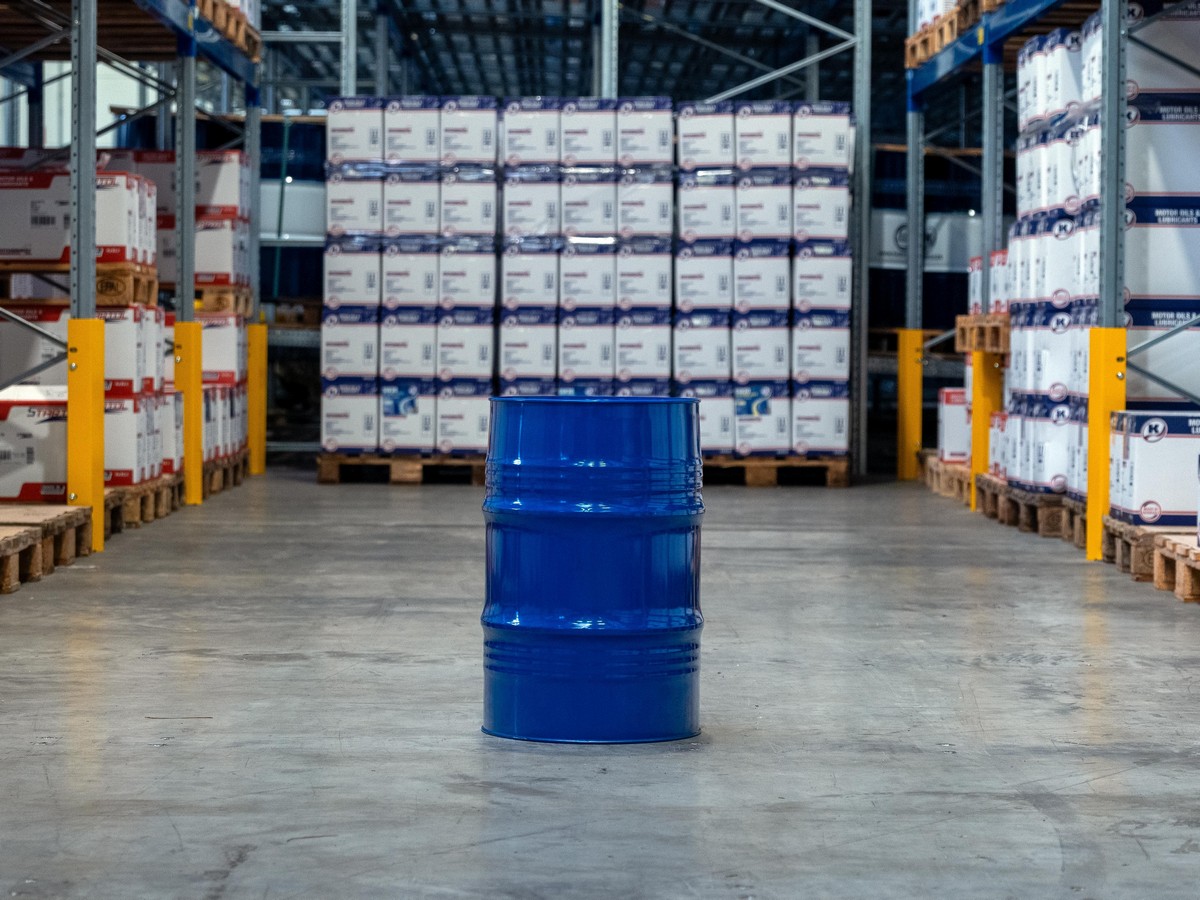
200 Liter Barrel
Art.-Nr.: 510 468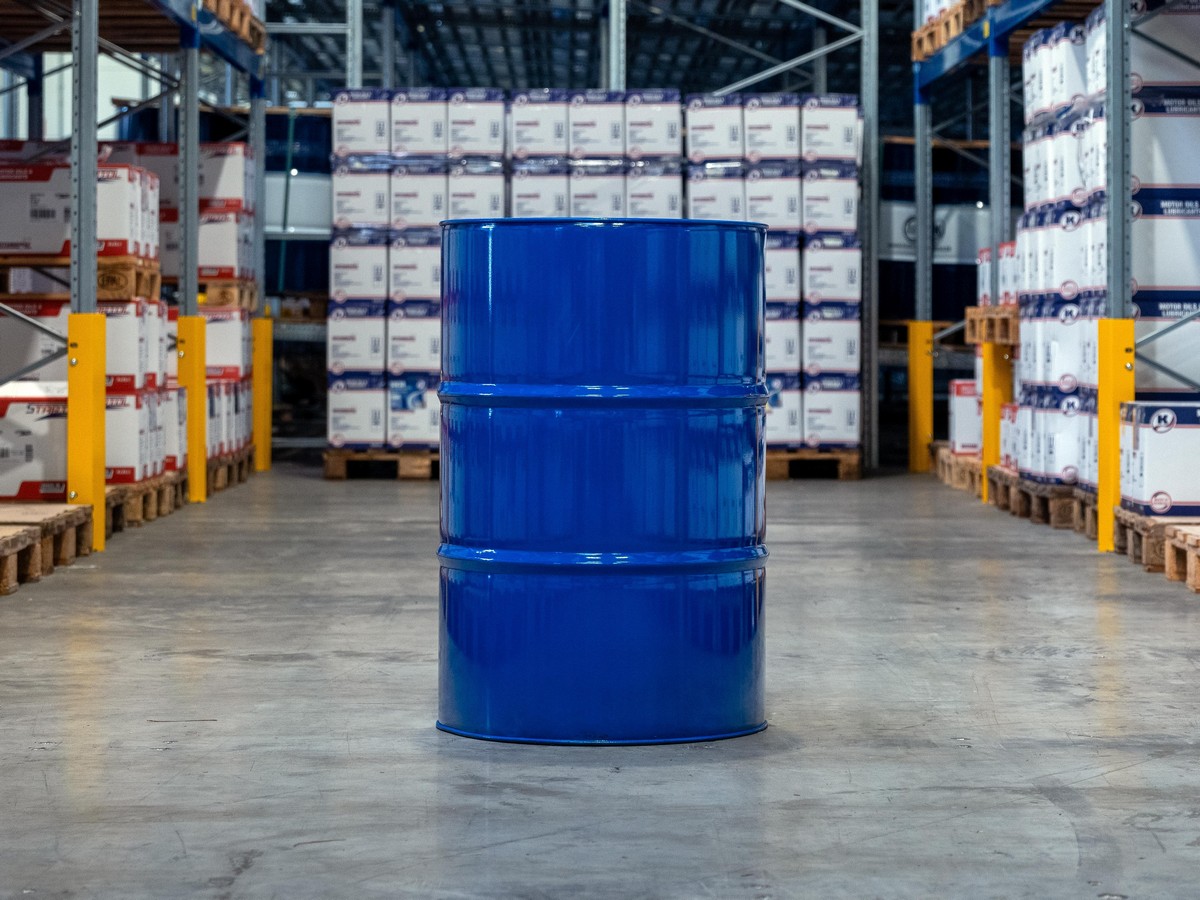
1000 Liter Container
Art.-Nr.: 510 469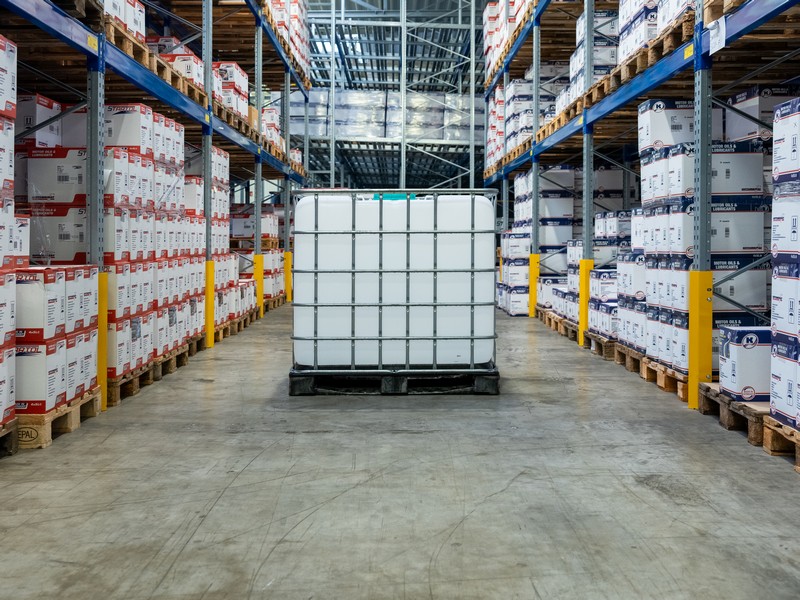


Wärmeträgerflüssigkeit (HTF) mit niedriger Leitfähigkeit. Farblos.
Excellent temperature resistance
Compatibility with paints
Efficient heat dissipation
Specifically developed for use in electric vehicles with indirect power supply
Cooling where a conductivity of max 100 µS/cm is required
✔ Compatible with: Stainless steel, titanium, aluminum, copper, brass, graphite, PTFE, PE
ASTM | D8485 |
| ASTM | D8566 |
| Cosworth/Delta Cosworth (indirekte Batteriekühlung) | GB 29743.2‑2025 |
| Hyundai | BSC‑1 und BSC‑2 |
| Jaguar | STJLR.03.5312 |
| Kia | BSC‑1 und BSC‑2 |
| Land Rover | STJLR.03.5312 |
| Tata | (indirekte Batteriekühlung) |
| Toyota | (indirekte Batteriekühlung / Wechselrichter) |
VW | TL 774‑M (G15) |
Antifreeze LCX 100 is suitable for temperatures between ‑30°C and 90°C. The fluid's stability within this temperature range is confirmed, with no deposits, cloudiness, or other adverse changes. Please note that the stability of the electrical conductivity depends on the low‑conductivity materials used in the cooling system and must be tested individually.
Since the development of low conductivity systems is still innovative, the compatibility of the coolant with different materials must be tested for each application.
Note that compatible polymeric materials and elastomers often contain significant amounts of fillers and additives, which can impair the electrical conductivity of the coolant. Examples include EPDM, PVC, PA 66, silicone rubber, Viton®, etc.
Manufacturer's instructions must always be followed.
Antifreeze LCX 100 can be stored in unopened, airtight containers at a temperature of max. 30 °C for 1 (one) year. After this time, its usability should be checked by measuring the electrical conductivity and pH value.
| Properties | Specifications | Typical characteristic value | Test method |
| Chloride | 25 ppm, max. | <10 | ASTM D3634 |
| Silicone | 50–100 | 90 | – |
| Specific gravity, 60/60 °F | 1.067–1.073 | 1.070 | ASTM D1122 |
| Freezing point, undiluted | –34 °F/–36 °C | –34 °F/–36 °C | ASTM D1177 |
| Boiling point, undiluted | 226 °F/108 °C | 226 °F/108 °C | ASTM D1120 |
| Ash content, mass in % | 5 max. | <1 | ASTM D1119 |
| pH, 50% v/v | 8.0‑9.0 | 8.5 | ASTM D1287 |
| Alkaline reserve, mL | 1–4 | 2 | ASTM D1125 |
| Conductivity 50% V/V, µS/cm at 25 °C | 100 max. | 90 | ASTM D1123 |
| Water, mass in % | 47–52 | 50 | – |
| Color | colorless | colorless | ‑ |
| Effect on non‑metals | harmless | harmless | ‑ |
| Shelf life | – | 1 year | ASTM D1881 |